Tips and Techniques for Painting Wall Murals
"Should I Use This..or Maybe That?"
When it comes to painting wall murals, do you find yourself asking these questions...
Should I use oil-based paints or acrylics? Varnish or no varnish? How much site prep is really necessary? And what’s up with brushes!
If you are confused, it’s no wonder! This page should answer your questions, so you can move on to bigger and better things – like that blank wall in front of you!
Just one more thing. Before you start painting, you need to determine how to get the outline of your mural on the wall. If you haven't done so already, make sure you check out our page about transfer techniques for do it yourself wall murals.
Tip #1 - Get Your Site Ready
The first step is to properly prepare your site. Painting wall murals is just like any other painting project. To do it right, you will need to pull out the masking tape and drop cloths:
- Remove furniture from the area or cover with drop cloths.
- Mask off any woodwork with pre-gummed paper or wide masking tape.
- Cover your floor with drop cloths.
Tip #2 - Prepare Background for Wall Murals
Many people apply a fresh coat of paint to the room before hand painting wall murals. If this is the case for you, use a satin finish or eggshell finish latex wall paint for the best sheen and chose a color that will look great with your mural.
Better yet, consider painting a specialty background for your wall mural. For example, with a gallon of glaze, a sea sponge, and some other items you may already have around home, you can paint a cloud background.
And that’s just one example – there are a lot of great background options when it comes to wall murals. How about faux bricks for a fire station mural? Or a parchment background for a Tuscan mural? I encourage you to check out another website, How to Faux Finish, to learn the techniques to create these backgrounds, as well as many others.
Tip #3 - Choose the Right Mural Paint
You may read elsewhere that oil-based paints are the way to go when it comes to mural painting. Well, if you are a commissioned muralist or have an art degree, that statement is probably true.
However, I’m guessing that you’re just an average homeowner (like me!) that wants to do something creative and original with your home. So, we’ll take the rest of this article from that perspective…
A fresh coat of latex paint is a great base for hand painted wall murals.
Acrylic paints can then be used for the actual mural painting. They are quick drying and water soluble (translation - easy clean up!). They are very similar to latex wall paints, but can be purchased in smaller sizes. You can usually find acrylic paints at craft stores or even the craft section at your local Wal-Mart.
I personally recommend Liquitex Soft Body Acrylics. They are slightly more expensive than ordinary craft acrylics, but they have twice the covering power and contain rich, pure pigments that produce intense color. When it comes to painting wall murals, they are great for practically all surfaces, including wood, fabric, and canvas.
Do you have some latex wall paint left over from another project? If you want to use it - go ahead! Latex wall paints and acrylic craft paints are compatible products and can by used interchangeably when you paint murals.
Tip #4 - Choose the Right Brushes for Painting Wall Murals
As tempting as it may be, now is not the time to raid your 8-year old son’s crayon box for the paintbrush that came with his watercolor set. However, a quick trip to the craft store may leave you scratching your head. There are so many options when it comes to paintbrushes – how do you pick the right one for your project?
Paintbrushes are made with natural animal hair, synthetic fibers, or a combination of both. Natural hair brushes are not the best choice for use with acrylic paints. The pH and quick-drying properties of acrylic paints are destructive to natural hair brushes. The best brushes for use with acrylic paints are high quality synthetic brushes.
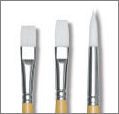
While perusing the paintbrush aisle at your craft store, you will probably also note that the heads on brushes come in many different shapes and sizes. For painting wall murals, you will need more than one type of brush. At a minimum, I suggest you purchase a wide, flat brush for painting the large areas of your mural and a round paintbrush for adding details and outlining images.
Tip #5 - Final Touches & Finishing Up
When painting wall murals, the last step is to protect your finished masterpiece.You spent hours working on it - you want it to look great for many years to come, right?
If your mural is located in a high traffic area, such as an entryway or busy hallway, it is especially important that you seal it with a water-based varnish. To apply the varnish, start in a corner and apply evenly and smoothly using a cross-hatched brush stroke (basically making a series of “x’s” with your paintbrush to ensure even distribution of the sealer).


Show & Tell
Upload photos of your murals or check out the submissions from other visitors to our site in the Show & Tell section of this website.



The pictures above are just a small sample of the inspiration that awaits in our visitor submission gallery!